
If you work in the Passive House space in the southern U.S., you know how heavy a lift it can be to hold conversations with other industry professionals about basic building performance, much less the nuances of Passive House. Add to this challenging cultural zeitgeist the learning curve that the Passive House organizations have been up against (such as nailing down heating targets, energy allotments for dehumidification) and it’s not difficult to see why humid climates, particularly hot and humid climates, have not seen much uptake.
A History of Facing Challenges
In the early 2010s, when Passive House was introduced to the Austin design and construction community, it was overwhelmingly rejected as “unnecessary” and “unrealistic.” Ideas before their time often encounter resistance, regardless of merit. It is the way of history (just ask Nikola Tesla). PHIUS took that feedback in stride and substantially revamped their certification program to better account for climate zone differences. But in many ways, the well had been poisoned in Austin. The irony was palpable; the very same design and construction community long praised for its role in the “green building” movement in previous decades suddenly found itself in nearly wholesale rejection of the most progressive building standard around.
To paraphrase the ever quotable Kristof Irwin, “The AEC industry is filled with intelligent, hardworking people who are rowing their boats with skill, expertise, and exertion, but ultimately facing backward.”
PHIUS Alliance Austin
In 2016, the PHIUS Alliance Austin group decided it was time to change the conversation. We needed a Trojan horse of sorts to illustrate to the local design and construction community that Passive House is really just about building performance. We needed to communicate that building performance is logical, important, and doable. We needed to show that, once we can figure out how to make sure buildings are air tight, well insulated, and have efficient mechanicals serving energy and indoor-air-quality needs, advancing to the next step, Passive House, is well within striking range.
PHIUS Alliance Austin
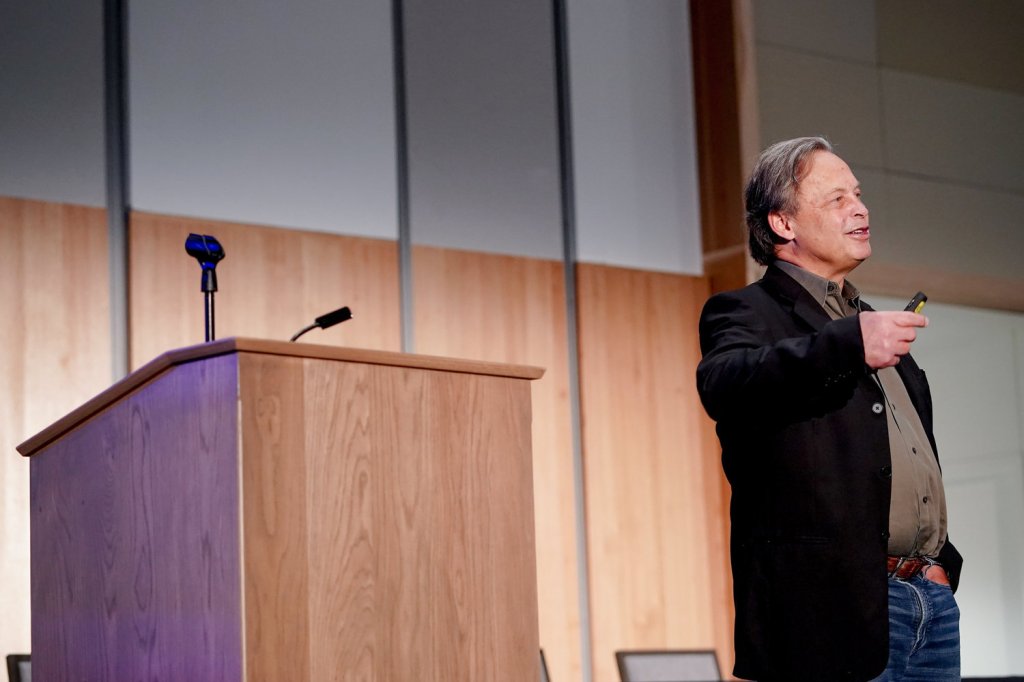
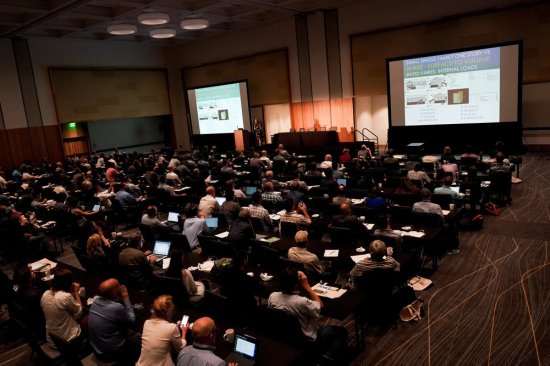
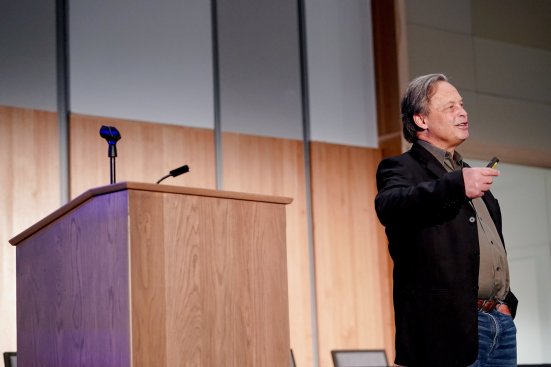
We began organizing a conference to do exactly that: The Humid Climate Conference invited world-class and inspiring building science speakers (thanks to the good Dr. Joe Lstiburek), introduced the PHIUS+ 2015 standard, and sold out the conference in our first year. It was a smashing success, planting the Passive House seed in previously doubtful minds.
HCC 2022: Barriers to Better Buildings
Despite all the hurdles the last two years, we’re back: Passive House Austin is thrilled to invite you back to Texas May 2-3, 2022 to listen, learn and network with industry thought leaders, boots-on-the-ground overachievers, and a fantastic mix of manufacturer sponsors.
2022 Humid Climate Conference
When: May 2,3, 2022
Where: Austin Central Library, Austin, TX
Who (partial list): John Straube (RDH Building Science), Zack Semke (Passive House Accelorator), Bruce King (author "The New Carbon Architecture"); Dan Cohen (author "Confronting Climate Gridlock"); Lisa White (PHIUS) ; Bryan Orr (HVAC School); Matt Risinger (The Build Show).
How: For ticket pricing and to register, click here.
This year’s conference theme is Barriers To Better Buildings. The rockstar list of speakers includes Dr. John Straube (RDH Labs), Zack Semke (Passive House Accelerator), Stacy Smedley (Skanska), Bruce King (author of “New Carbon Architecture”), Dan Cohan (author of “Confronting Climate Gridlock)”, Bryan Orr (HVAC School) and a special media event with Matt Risinger (The Build Show) and Passive House Accelerator. Dr. Jonathan Bean (The University of Arizona) will once again be our host and Master of Ceremonies. We’ll also have an Austin-style after party that only this city could play host to.
The conference will be held at the Austin Central Library, where we will explore the issues that inhibit us from designing and creating better buildings, as well as solutions to bring a new high-performance paradigm to life. We’re anticipating attendees from Houston, Austin, Dallas, New Orleans, Florida, Atlanta, and Japan, and hope you’ll also join us for the experience, whether in-person or via our streaming option.