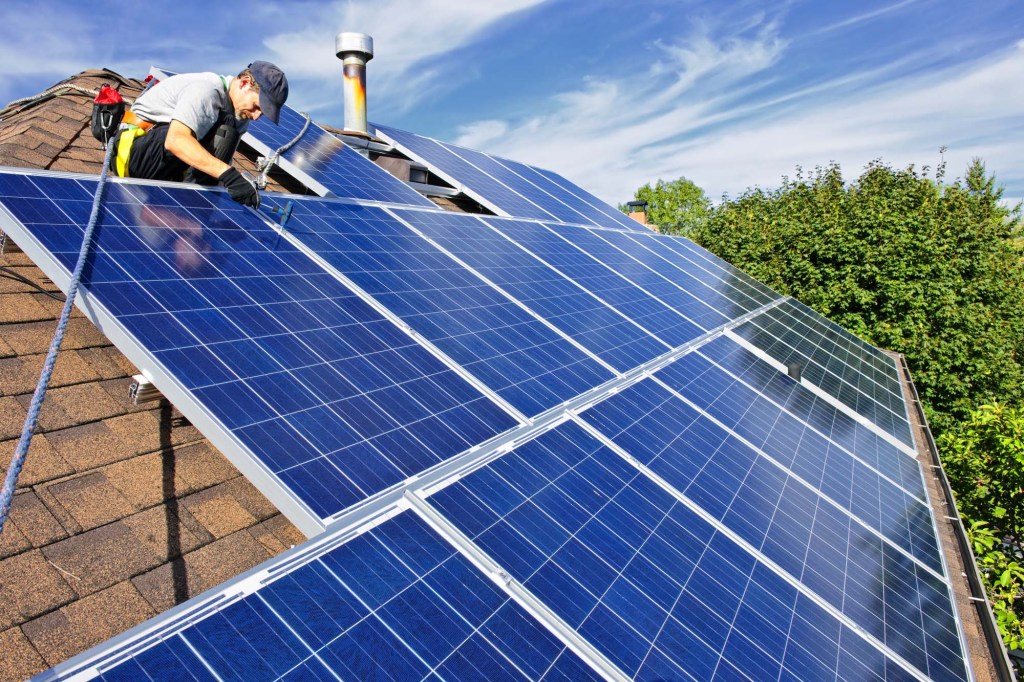
Builder and utility groups cheered a February 2020 decision by the California Energy Commission to broaden a loophole to the state’s first-in-the-nation solar power mandate for new homes. But solar advocates criticized the move, saying it watered down the state’s policy.
The Los Angeles Times had a report (see: “California backtracks on solar requirement for new homes, critics say,” by Sammy Roth). “Under the proposal from Sacramento Municipal Utility District, a public power agency, home builders will be able to take credit for electricity generated by off-site solar farms, instead of constructing houses with rooftop solar panels,” reported the Times. “The utility plans to make enough off-site solar power available to serve all demand from new residential construction.”
“The mandate that took effect Jan. 1 calls for new single-family houses or low-rise apartments to install solar panels. Alternately, utilities and organizations can apply to the California Energy Commission to build an offsite ‘community shared solar’ site for buildings to draw from,” reported the Orange County Register (see: “Why California’s solar mandate may not require panels on every roof,” by Cuneyt Dill). “Seizing on that latter option, the Sacramento Municipal Utility District wants to build its own solar farms on a grand scale for homeowners to tap into, allowing new homes to forego installing their own solar panels and preventing increased construction costs.”
The decision was bad news for solar installers, reported Bloomberg.com (see: “California Eases Up on Sweeping Solar Mandate for New Homes,” by David R. Baker). “The move is a setback for Sunrun Inc., Vivint Solar Inc. and other panel installers betting on California’s mandate to boost sales. It also threatens to undermine a movement to make rooftop panels ubiquitous,” reported Bloomberg.