This is a view from the back of the main building in Warren, Mai…
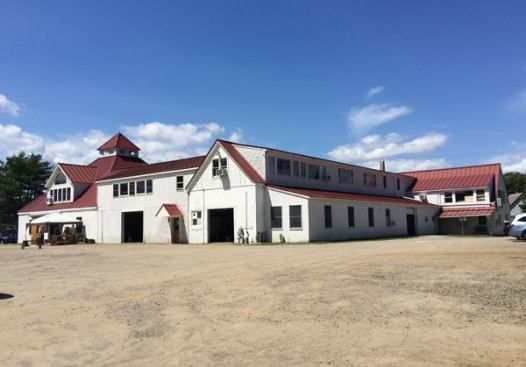
This is a view from the back of the main building in Warren, Maine. It contains a production facilitiy, offices, a demo room, and a small retail store. Hand saws, chisels, planes, and other metal tools are fabricated and assembled at this and a smaller building nearby. Work benches and wood parts (knobs, handles, and the like) are made at a facility in a nearby town.
David Frane
Lie-Nielsen’s shop contains a mix of old, new, low-tech, and h…
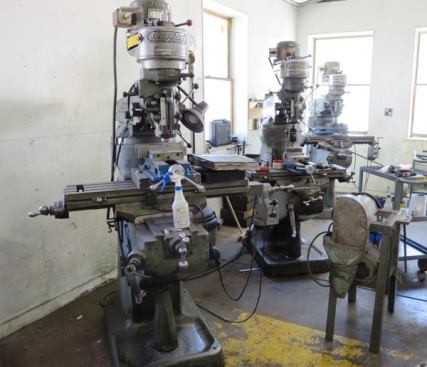
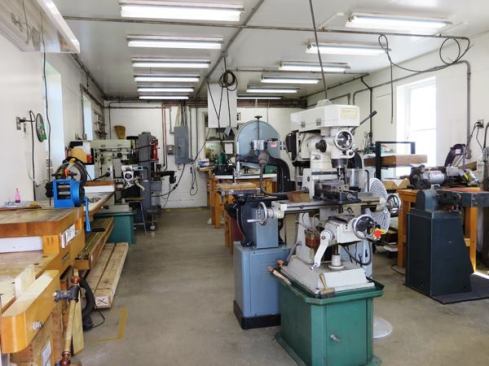
Lie-Nielsen’s shop contains a mix of old, new, low-tech, and high-tech machines. These are some old Bridgeport milling machines.
David Frane
This surface grinding machine is used to grind plane blades. The…
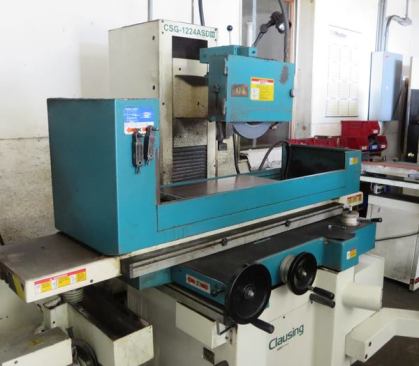
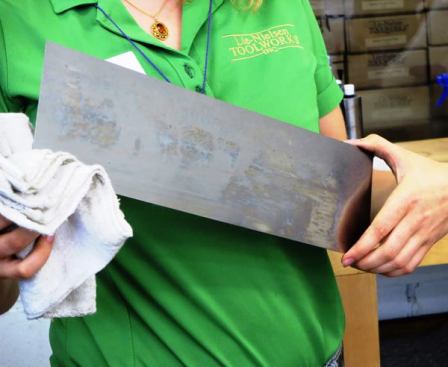
This surface grinding machine is used to grind plane blades. The table moves back and forth under the spinning head, which can be set up to flatten or bevel blades. After the machine work is done the blade will be honed by hand.
David Frane
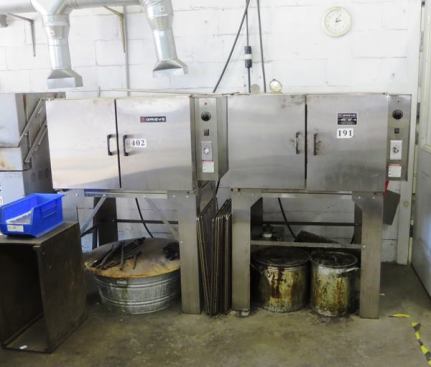
These electric ovens are used for heat treating blades.
David Frane
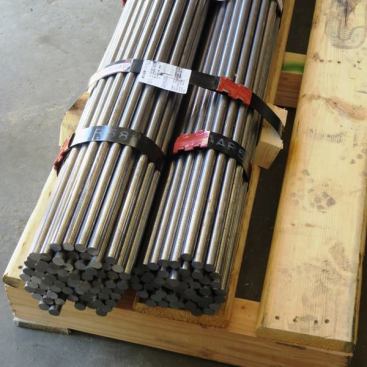
This US made A2 steel bar stock will be turned into chisel blade…
This US made A2 steel bar stock will be turned into chisel blades.
David Frane
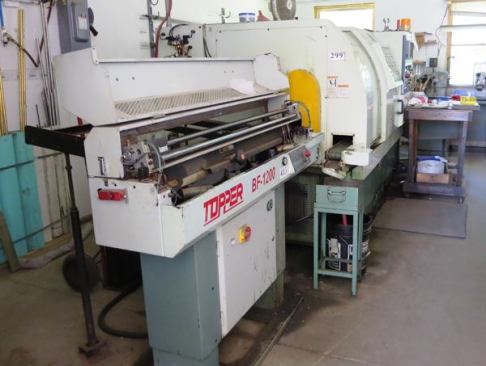
Bar stock is placed in the hoppers of these and other CNC machin…
Bar stock is placed in the hoppers of these and other CNC machines, which cut the material to length and then machine them to the desired shape.
David Frane
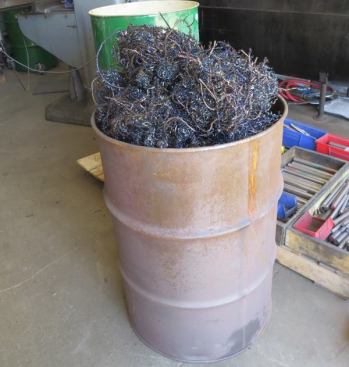
The CNC machines remove everything that isn’t “chisel” and…
The CNC machines remove everything that isn’t “chisel” and turns it into shavings—which will be recycled and later made into something else.
David Frane
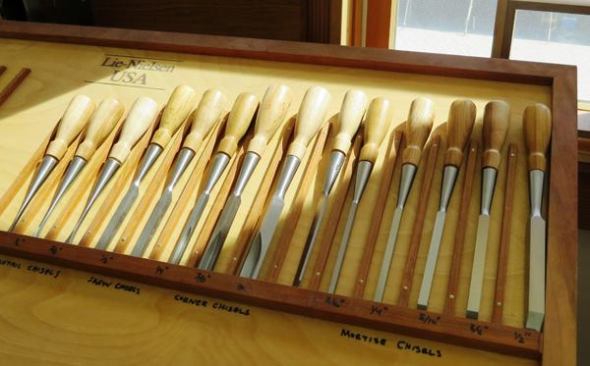
Here is a selection of finished socket chisels, which are kept i…
Here is a selection of finished socket chisels, which are kept in the demo room so visitors can try them out
David Frane
Lie-Nielsen does not have the facilities to produce its own iron…
Lie-Nielsen does not have the facilities to produce its own iron castings—though at one time it produced bronze castings in-house. Now, all castings are made by outside suppliers in Maine and Massachusetts. These plane bodies are made from ductile iron because it is stronger and more resilient than traditional gray iron. Bronze castings are made from manganese bronze, an alloy that weighs more than iron and wears better than brass.
David Frane
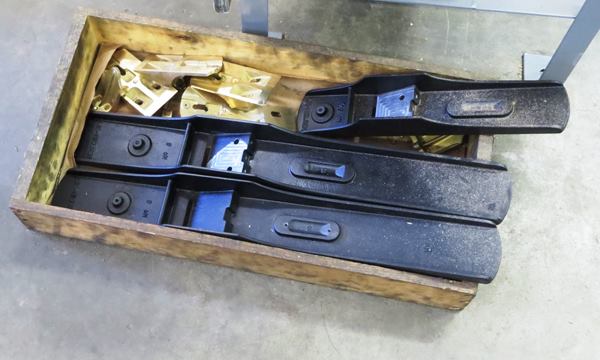
Cast iron plane bodies receive a powder coating when they arrive…
Cast iron plane bodies receive a powder coating when they arrive at the shop. Some of the powder coating will be removed as the casting is machined. Only those parts that are not machined will retain the powder coat color. These plane bodies have yet to be machined and are black on all surfaces.
David Frane
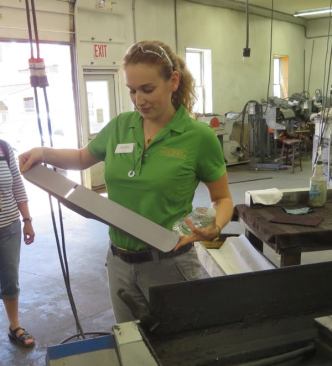
The tour guide is showing a plane body at an intermediate stage …
The tour guide is showing a plane body at an intermediate stage of machining. The sole (bottom) has been ground flat. The next step will be to grind the sides flat and square to the sole.
David Frane
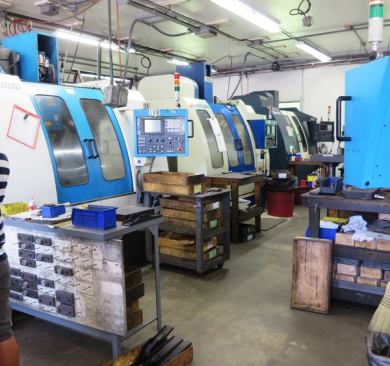
These CNC machines are used to machine tools and make parts.
David Frane
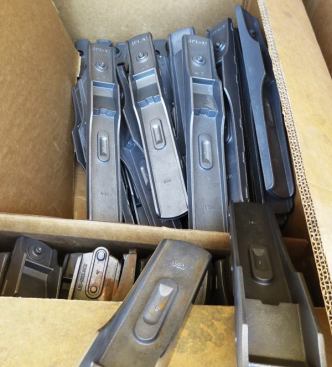
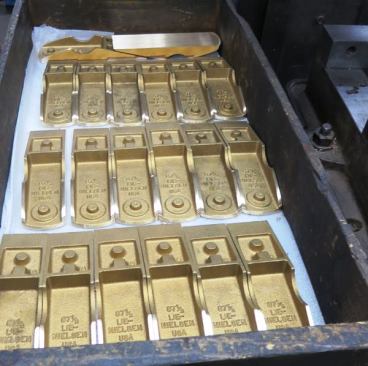
Bronze castings for the no. 97 1/2 Small Chisel Plane. If you lo…
Bronze castings for the no. 97 1/2 Small Chisel Plane. If you look closely you’ll see that the top forward edges have been machined. The rest of the casting is still rough except for maybe the sole (bottom).
David Frane
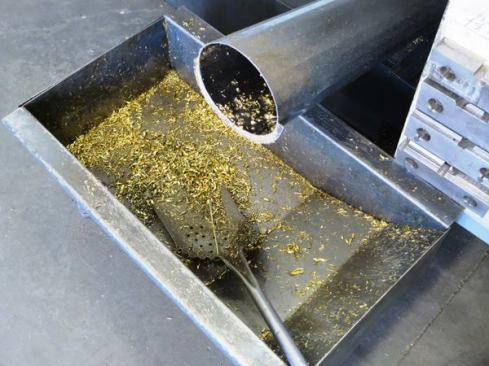
Bronze chips and shavings collect in a bin at the base of a CNC …
Bronze chips and shavings collect in a bin at the base of a CNC machine.
David Frane
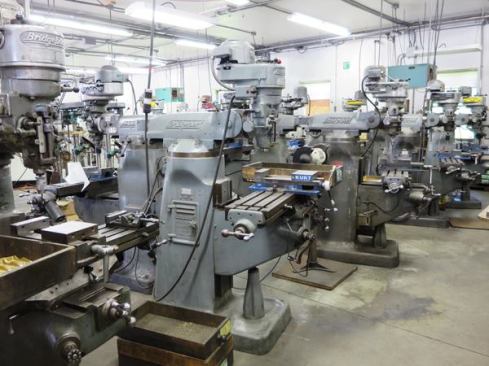
More old Bridgeport milling machines.
David Frane
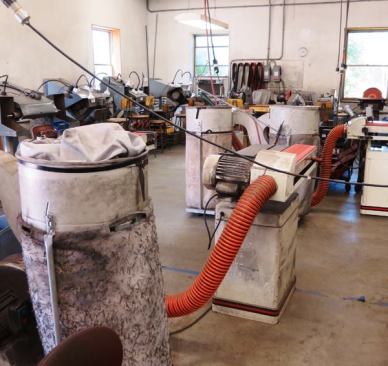
This is the polishing area, where parts are sanded and buffed to…
This is the polishing area, where parts are sanded and buffed to the desired finish. Unlike earlier stages of production, this is nearly all handwork.
David Frane
The assembly area is next to the polishing area and is the final…
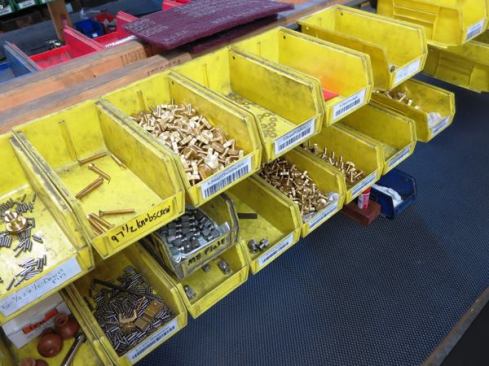
The assembly area is next to the polishing area and is the final stage before shipping. Here you can see some of the small parts used to assemble planes.
David Frane
This top of this table is a granite surface plate and is as flat…
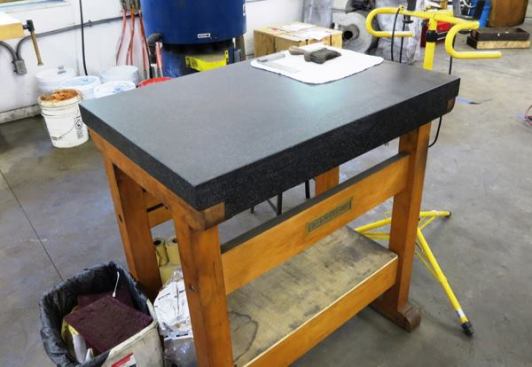
This top of this table is a granite surface plate and is as flat as flat can be. Planes and other tools can be placed on this surface and checked for accuracy (flat, straight, square, etc.)
David Frane
These finished tools have been wiped down to remove hand prints …
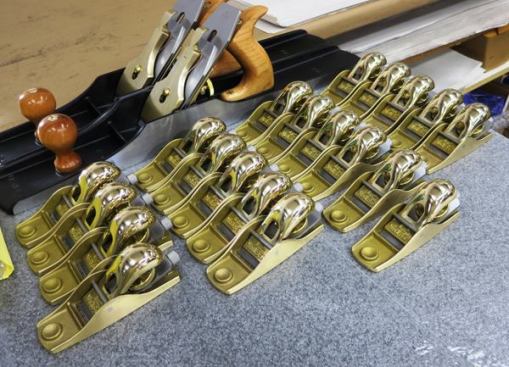
These finished tools have been wiped down to remove hand prints and are ready to be wrapped in rust proof paper, boxed, and shipped.
David Frane
Vises and bench tops are produced by outside suppliers. Lie-Niel…
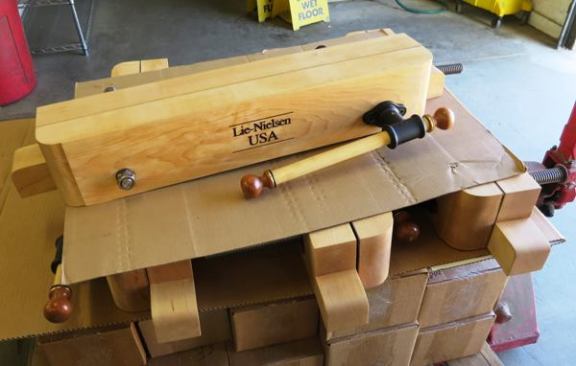
Vises and bench tops are produced by outside suppliers. Lie-Nielsen makes the legs and does the final assembly at a facility in a nearby town.
David Frane
This is the room where hand saws are made and assembled.
David Frane
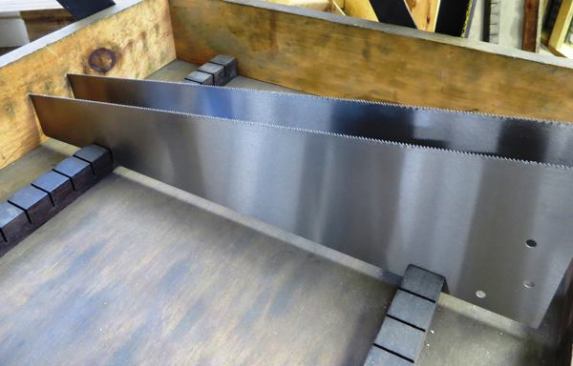
This will soon be a backsaw blade. It arrived as part of a coil …
This will soon be a backsaw blade. It arrived as part of a coil of metal, was cut to shape, and will have holes drilled in it to hold a handle and back.
Charla Gabert
This brass bar stock will be used to make back saws. It will be …
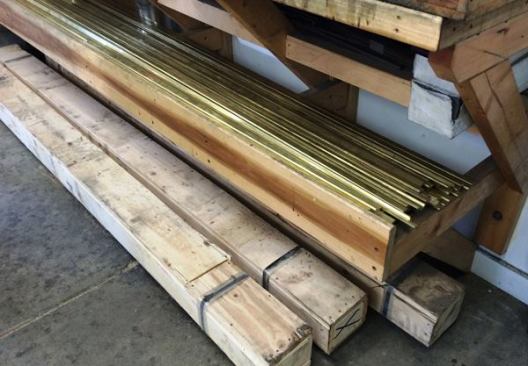
This brass bar stock will be used to make back saws. It will be cut to length and have a narrow kerf milled in the edge to accept the blade.
David Frane
Teeth are cut into handsaw blades using one of several Foley Bel…
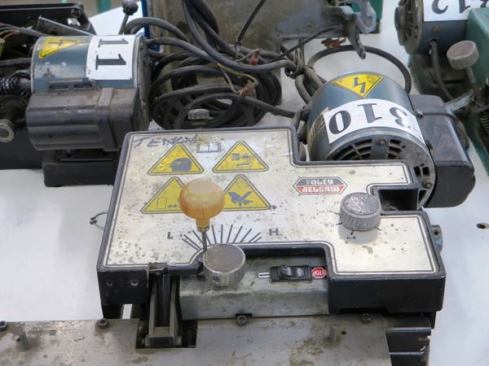
Teeth are cut into handsaw blades using one of several Foley Belsaw machines, each set to produce a particular tooth pattern.
David Frane
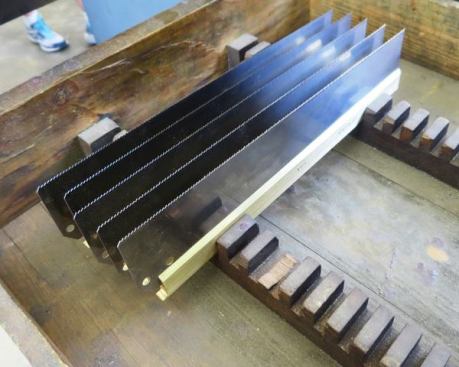
Panel saw blades ready for handles and sharpening.
David Frane
Backsaw blades ready for handles and sharpening.
David Frane
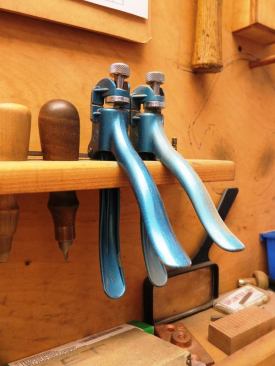
I’ve never met anyone who knows how to use a saw set, let alon…
I’ve never met anyone who knows how to use a saw set, let alone someone who has two of the things. The fellow who uses these hand-sharpens every saw that comes out of Lie-Nielsen’s shop, setting and filing each and every tooth.
David Frane
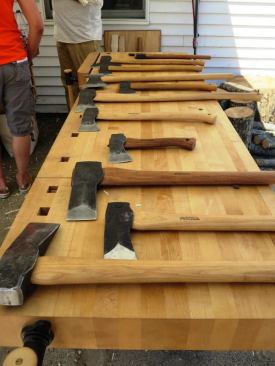
My visit took place during an open house so Lie-Nielsen staff wa…
My visit took place during an open house so Lie-Nielsen staff was demonstrating various tools that they sell—including these Swedish-made axes from Wetterlings.
David Frane
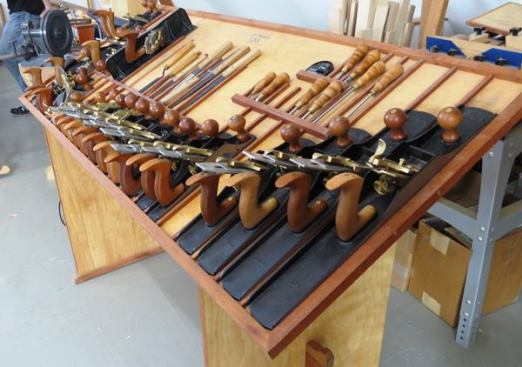
Every, or nearly every, tool Lie-Nielsen makes was available for…
Every, or nearly every, tool Lie-Nielsen makes was available for trial in the second floor demo room. This table contains maybe 15% of what was there.
David Frane
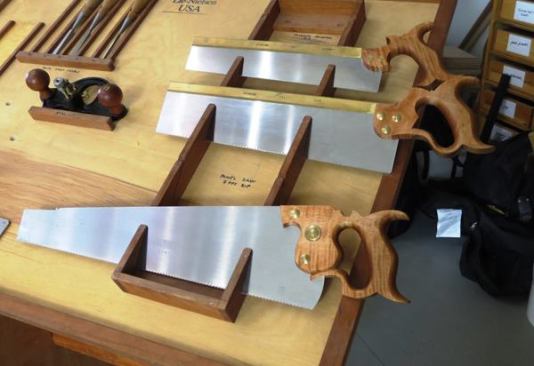
Here are a few of their handsaws. The same tools are available w…
Here are a few of their handsaws. The same tools are available with multiple tooth options.
David Frane
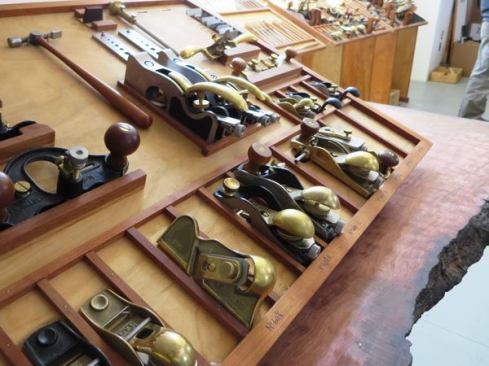
More hand planes here. The violin plane, the small one second ro…
More hand planes here. The violin plane, the small one second row up three back from the end, reminds me of the tool Thomas Lie-Nielsen was showing around at the boat shop where I met him 30 years back—though the catalogue says it’s a new design.
David Frane
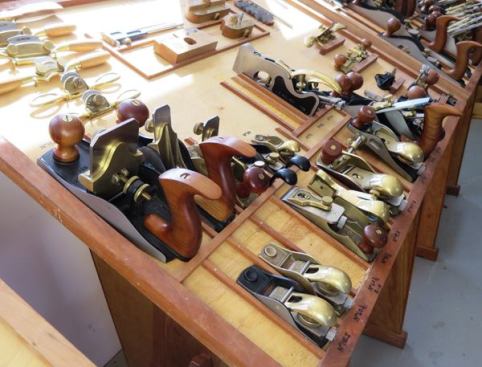
Some spoke shaves, scraping planes, and drool-worthy hand planes…
Some spoke shaves, scraping planes, and drool-worthy hand planes here.
David Frane
This is a view from the front. The narrow building on the far le…
This is a view from the front. The narrow building on the far left is a production facility. The part with the dormers is the retail store. The largest part of the facility is off to the right; you can just make out the cupola on top of the demo room.
David Frane
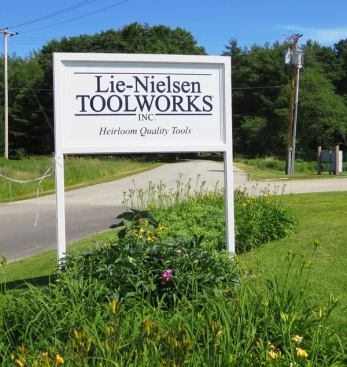
Lie-Nielsen Toolworks is just off Route 1 in Warren, Maine.
During a recent vacation in Maine I realized we’d be passing through Warren, home to Lie-Nielsen Toolworks, so I stopped in for a look. It was an unplanned visit so imagine my delight when I discovered they were having an open house that included a tour of the factory.
It was great to finally be able to see the place. I’d been aware of the company for a very long time, having met the founder 30+ years ago at a nearby maritime museum where I was a boat building apprentice. Thomas Lie-Nielsen had stopped by to see someone and brought some planes with him. They were incredible in every way, but beyond the means of any of the guys in the shop–most of us bought hand tools at flea markets. I remember thinking there’s no way this guy will make a go of it selling such expensive tools. I’m happy to have been wrong; Lie-Nielsen Toolworks grew and prospered, and now employs close to 100 people
The company makes an incredible assortment of high-end hand tools: planes, chisels, handsaws, and the like. Everything it produces is 100% US made, though some of the tools it sells are made by other companies. At their retail store I saw measuring and layout tools from Starrett, rasps from a French company called Auriou, and Swedish axes from Wetterlings.
Nothing Lie-Nielsen Toolworks makes or sells is aimed at what marketers refer to as value shoppers—it’s all pricey stuff. The company would argue their tools are a lifetime investment, expensive only in relation to their mass produced counterparts. I can see their point, the cabinets and furniture I built during my career were more expensive than ones that came from a factory. It’s too bad I couldn’t afford to buy something from Thomas Lie-Nielsen when he came through the boat shop 30 years back because by now that tool would certainly have paid for itself.
The slideshow on the left contains photos from my tour of the factory. The captions will explain what everything is. There are a bunch of shots of Lie-Nielsen tools at the end.