
Strategy for Compliance
Our company happens to be a partnership that I run with my son-in-law. When we’re working on a project where we’re disturbing lead-based paint, we first do all the demolition and cleanup following RRP procedures, then we turn the job over to subcontractors as needed. We don’t have to worry about RRP compliance on the part of our subs, because they won’t be disturbing any lead paint; we’ve already taken care of it. And we don’t have to worry about OSHA, because we have no employees.
Personal protection. We rarely wear disposable suits while doing this work, but we definitely take precautions to protect ourselves from lead dust, including wearing half-faced NIOSH N-100 respirators, safety goggles, and hats. When we’re finished for the day, we change shirts and HEPA-vac our pants and shoes, and when we get home we strip before entering the house and immediately take showers. We wash work clothes separately from other clothing.
Selling RRP Jobs
By knowing the law and avoiding unnecessary procedures, we’ve managed to pare compliance costs to less than 10 percent of the total budget on most jobs. When I’m estimating these jobs, I don’t even mention lead or the RRP to prospective clients. I always give owners the “Renovate Right” booklet, but only after I have a signed contract and am about ready to start demo. I’ve found that this helps in selling an RRP job, since most potential customers don’t really care if I’m a certified renovator or not. They want to tell me about their ideas, not hear how the new rule will make their project more expensive or how they might be poisoned by lead.
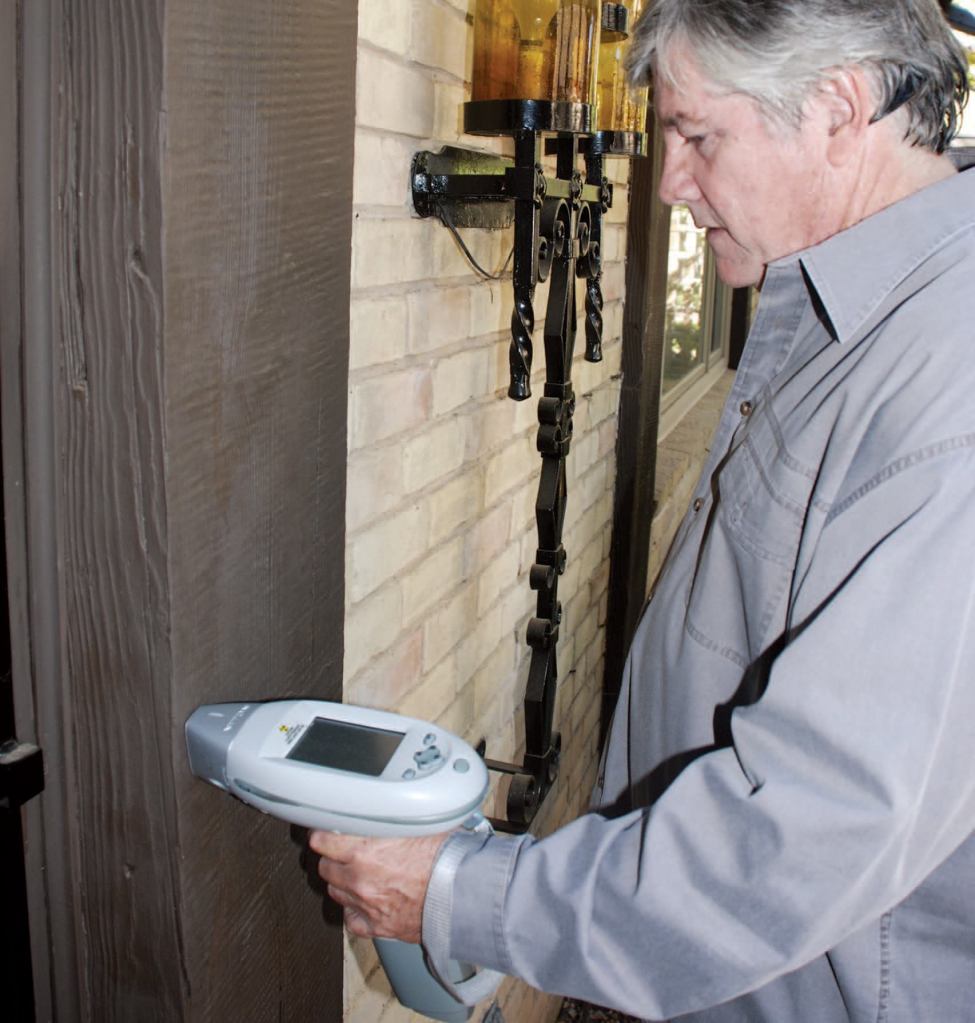
Siding removal, exterior painting, and whole-house renovations are the kinds of projects where RRP costs can easily exceed 10 percent of the total cost. I still compete for these jobs, but I use different sales strategies for different types of clients. For example, repeat and referral customers generally trust me to do the work right and often don’t get competitive bids. In these cases, I keep my mouth shut about the RRP and give them a fair price with compliance costs added in. Usually, they’ll sign the contract. On the other hand, when I’m selling a job with potentially high compliance costs to a new customer, the estimate won’t include compliance costs. Instead, I include a clause in the contract dealing with unknown site conditions, in which I inform the client of the potential for lead-based paint and additional charges for dealing with it (see excerpt). I make a point of highlighting this clause, and use it to introduce the RRP. I also explain that we’ll test for lead to see if the RRP even applies. If testing confirms that there’s no lead in the paint, the customer is spared compliance costs; if lead is present, I make it clear that the customer is free to cancel the contract without any financial penalties.
Some jobs are simply hard to sell, either because of the scope of the work or because of the nature of the client. I include compliance costs when bidding these jobs, so that I’m sure of getting paid a fair and decent wage to do lead-safe work if we’re hired. Since I’m no longer coming in as just a general contractor, but am also a lead-safe certified firm, I charge specialty rates for these jobs – typically about 50 percent more than for non-RRP work.