
Testing Options
In my area, only about 5 percent of homes built between 1940 and 1977 have interior lead-based paint; for exteriors, the percentage is higher – but it’s still a lot less than 50 percent. This means that a client who opts to test for lead can often avoid compliance costs. Testing is done after the acceptance of the contract, and can be paid for by either the client or the contractor.
Test kits. While certified renovators can do their own testing using LeadCheck swabs or D-Lead kits, this approach has certain limitations. The biggest is that these products – though they can reliably indicate the presence of lead on many surfaces – aren’t accurate enough to determine the specific amount present. This is important because the lead content of the paint used in many homes built in the 1950s and later was often less than .9 mg/cm squared. Even if there’s lead in the paint, the RRP doesn’t apply if the amount is below the EPA’s threshold of 1 mg/cm squared.
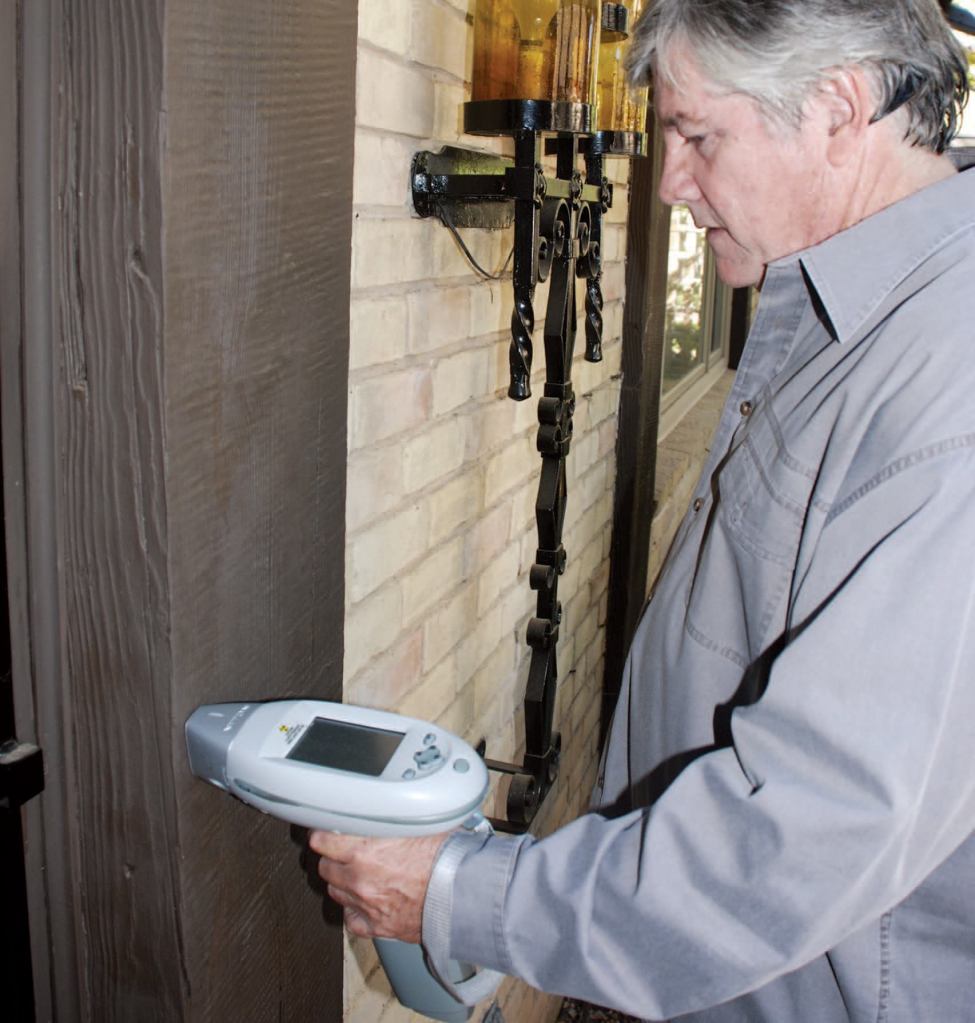
One way to find exact lead content is to send a paint-chip sample to a lab for analysis. The RRP was changed recently to allow certified renovators to perform paint-chip sampling, but the procedure is invasive and potentially expensive (the cost for each sample runs around $20). XRF testing. In the hands of a certified operator, a portable X-ray fluorescence (XRF) analyzer can quickly determine lead levels in many surfaces without cutting into the paint or coating. The cost for testing is reasonable – typically in the $100 to $150 range for a limited inspection. It’s well worth the cost if the test confirms that there’s no lead present. I’ve become such an advocate of lead testing that I became a licensed lead inspector and purchased an XRF analyzer (a good machine costs about $20,000). When I do lead testing for other contractors in the Dallas–Fort Worth area, I check only those components that will be disturbed – not the whole house – which helps lower the inspection cost.
Compliance in Action
Just how easy it is to comply with the RRP is illustrated by a bathroom remodel that we recently completed (see photos). To set up containment and minimize dust, I covered the bathroom floor and the floor just outside the bathroom with plastic sheeting, sealed off an adjacent closet door with plastic, and put up a warning sign. The 3.5-mil plastic and tape cost about $15, and the prep took about an hour.